GPU speed comparison
Pick 2 or 3 GPUs and compare VRAM, memory bandwidth and compute side by side, with estimated speed for LLMs, ComfyUI image and video generation, and PyTorch training.
All speeds and memory needs below are estimates from public specifications. Real runs decide.
GPUs per column
LLM and training estimates use this count; image and video use one GPU.
Model
Precision
Context length
27.4B parameters
Memory needed
Generation speed (one chat)
Prompt reading speed
How this is estimated
Memory = weights (parameters × bytes per parameter: FP16 2, FP8 1, INT4/NVFP4 about 0.56) + KV cache (FP16, from layers, KV heads and context; sliding-window layers count only their window) + runtime (1.5 GB per GPU + 3% of weights). Over 90% of usable memory shows as “barely fits”.
Generation speed: every new token reads the active weights and the KV cache once, so speed ≈ memory bandwidth × efficiency ÷ bytes read per token, plus about 0.03 ms fixed cost per layer. Efficiency: dense 0.7, MoE 0.5 (only active experts are read).
Prompt reading is compute-bound: about 2 × parameters operations per token plus attention, at 70% of sustained compute. Native FP8 / NVFP4 add 1.6× / 2.2×. Each extra GPU counts at 90%.
One conversation at a time; serving many users at once gives much higher total throughput. Real speed depends on the engine, driver and settings — real runs decide.
All GPU specs
Figures from NVIDIA datasheets; BF16, FP8 and FP4 are dense (no sparsity). GeForce cards are listed at their FP32-accumulate rate (about half the headline figure, and the mode PyTorch uses).
| GPU | Architecture | VRAM | Memory bandwidth | BF16 | FP8 | FP4 | INT4 | Power limit |
|---|---|---|---|---|---|---|---|---|
| RTX 3080 20GB | Ampere | 20 GB GDDR6X | 760 GB/s | 59.5 | — | — | 476 | 320 W |
| RTX 3090 | Ampere | 24 GB GDDR6X | 936 GB/s | 71 | — | — | 568 | 350 W |
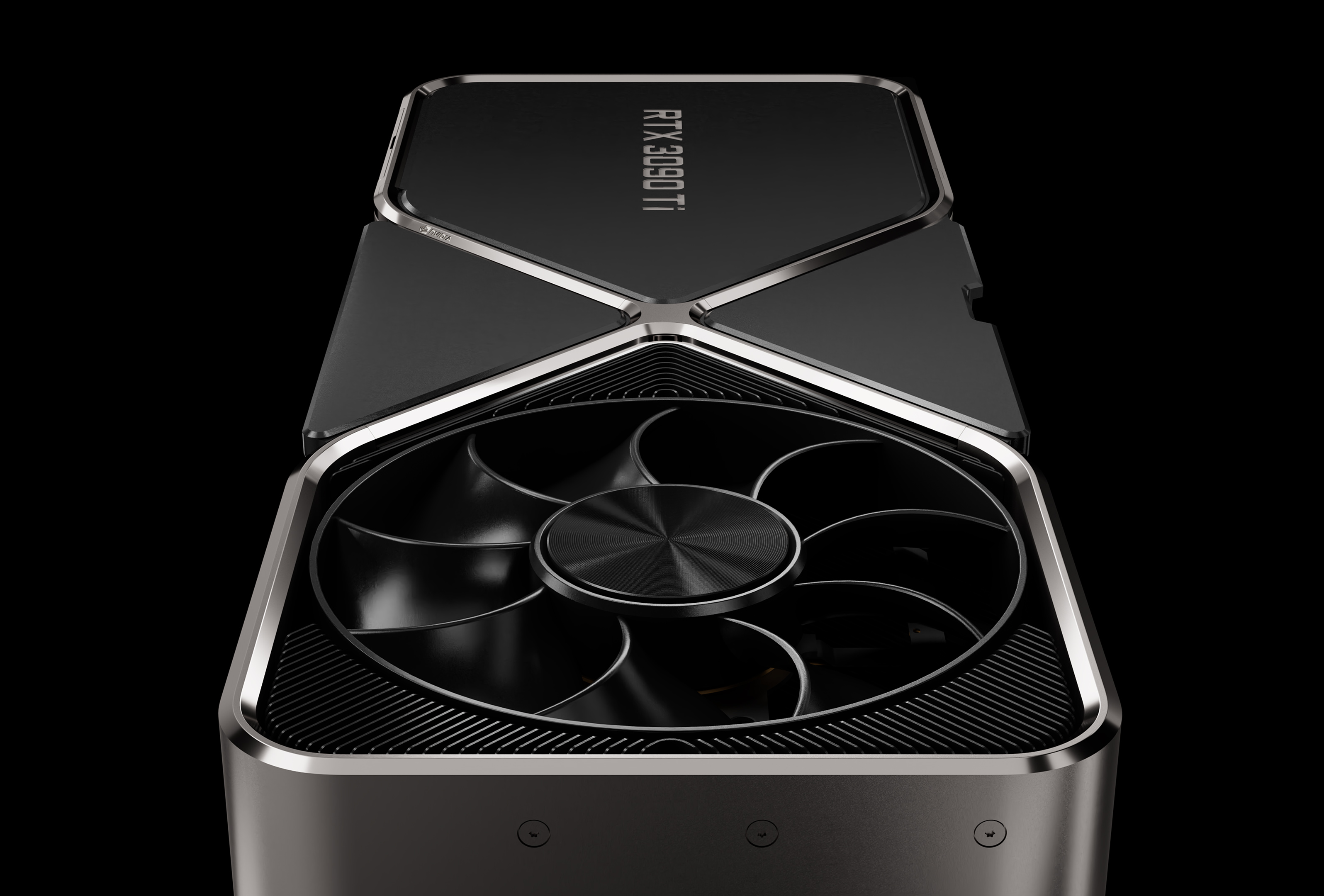
| RTX 3090 Ti | Ampere | 24 GB GDDR6X | 1,008 GB/s | 80 | — | — | 638 | 450 W |
| RTX 4090 | Ada Lovelace | 24 GB GDDR6X | 1,008 GB/s | 165.2 | 330.3 | — | 1,321.2 | 450 W |
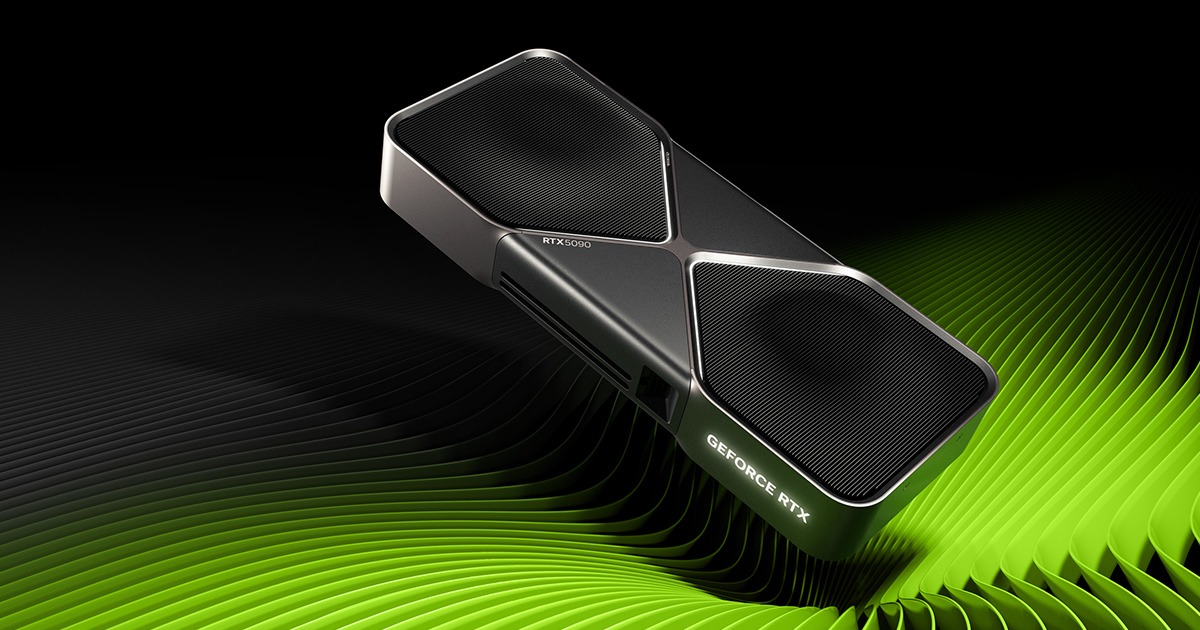
| RTX 5090 | Blackwell | 32 GB GDDR7 | 1,792 GB/s | 209.5 | 419 | 838 | — | 575 W |
| RTX PRO 6000 (600 W) | Blackwell | 96 GB GDDR7 ECC | 1,792 GB/s | 500 | 1,000 | 2,000 | — | 600 W |
| RTX PRO 6000 Max-Q (300 W) | Blackwell | 96 GB GDDR7 ECC | 1,792 GB/s | 438.9 | 877.8 | 1,755.5 | — | 300 W |
| RTX 6000 Ada | Ada Lovelace | 48 GB GDDR6 ECC | 960 GB/s | 364.2 | 728.5 | — | 1,457 | 300 W |
| RTX 2000 Ada | Ada Lovelace | 16 GB GDDR6 ECC | 224 GB/s | 48 | 96 | — | 192 | 70 W |
| DGX Spark GB10 | Blackwell | 128 GB LPDDR5x | 273 GB/s | 125 | 250 | 500 | — | 140 W |
| L40S | Ada Lovelace | 48 GB GDDR6 ECC | 864 GB/s | 362.1 | 733 | — | 733 | 350 W |
| A100 80GB SXM | Ampere | 80 GB HBM2e | 2,039 GB/s | 312 | — | — | 1,248 | 400 W |
| H100 80GB SXM | Hopper | 80 GB HBM3 | 3,350 GB/s | 989 | 1,979 | — | — | 700 W |
| H200 141GB SXM | Hopper | 141 GB HBM3e | 4,800 GB/s | 989 | 1,979 | — | — | 700 W |
| B200 180GB | Blackwell | 180 GB HBM3e | 8,000 GB/s | 2,250 | 4,500 | 9,000 | — | 1000 W |
| V100 16GB | Volta | 16 GB HBM2 | 900 GB/s | 125 | — | — | — | 300 W |
Compute in TFLOPS (dense); INT4 in TOPS (dense). Estimates use sustained compute: GeForce at the listed figure, all others at 50% of it.